Blurred Frames, Unbroken Chain: A Redaction Workflow for CCTV Subject Access Requests
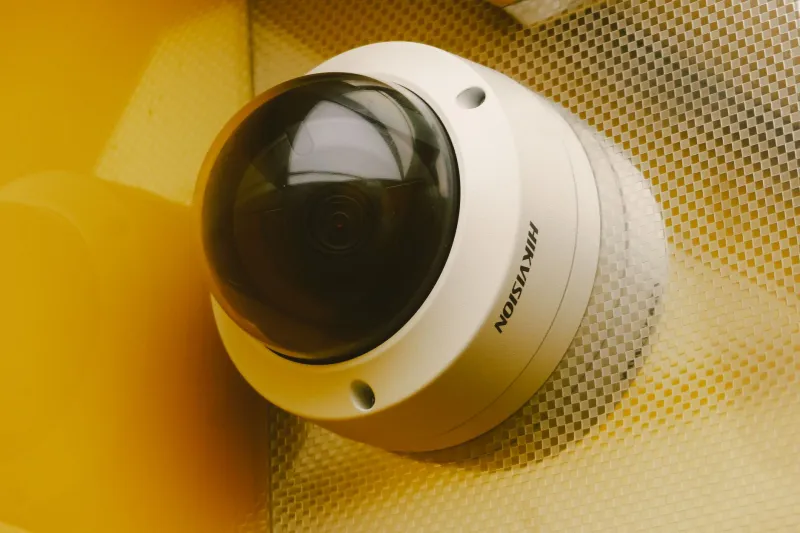
A subject access request is rarely a single video file. On a UK CCTV estate it is a chain of decisions: whether footage exists, whether it can be released, which faces and number plates belong to third parties, and how the operator proves that nothing irrelevant was disclosed. In 2026, the pressure is not only legal; it is operational. Requests arrive through multiple channels, retention windows expire quietly, and redaction is often handled by the same team that manages incidents. That is a recipe for inconsistent outcomes.
This article sets out a practical workflow for trade buyers — systems integrators, security managers and facilities teams — who need a repeatable redaction process rather than a one-off favour.
Start with intake triage, not video search
The first hour decides the shape of the response. A named owner should log every request on receipt, record the date and channel, and confirm the scope in writing. Does the requester seek footage of themselves, a vehicle, an incident, or a general area? Is the request for a copy or for confirmation that processing is taking place? Under UK GDPR, a subject access request can be made verbally or in writing, and identity verification should be proportionate. For CCTV, that usually means linking the requester to a time, location or event without demanding excessive proof.
Triage should also flag third-party risk. Footage from a high street, a shared entrance or a forecourt will almost always contain bystanders. The workflow should mark these as third-party-heavy from the start, because that changes the redaction method, the review time and the evidence pack.
Run a retention check before redaction
Redaction is wasted effort if the footage should already have been deleted. Before exporting, check the retention schedule for the camera, the incident type and any legal hold. A defensible workflow records the retention decision: retained under schedule, retained under hold, or no footage available. If the requested window has expired, the response should say so and explain the deletion policy. Do not reconstruct a clip from a backup that sits outside the published retention period without a documented reason.
For trade buyers, this is a specification point. The video management system should make retention rules visible at camera and recording-server level, and it should log deletions. A redaction tool that cannot show when a clip was exported, by whom and from which camera is only half a tool.
Separate the redactor from the approver
The strongest control in a redaction room is not software; it is separation of duties. One person prepares the clip, another approves it. The redactor should work from a copy, never the original evidence, and should record the exact time range, camera and export format. The approver should check the redacted output against the unredacted source in a controlled environment, then sign off the release.
This two-person rule reduces the risk of a familiar face being missed or a number plate being left legible. It also creates a clear audit trail. In smaller teams, the approver can be a manager or a compliance lead who does not routinely handle incidents. The point is independence, not headcount.
Choose redaction methods that survive scrutiny
There is a practical difference between blurring, pixelation and masking. Blur and pixelation can be reversed or partially reconstructed if applied weakly; solid masking is more robust but can obscure context. A sensible 2026 workflow uses irreversible masking for faces and plates, with enough surrounding context to show the event. Where audio is present, remove it unless it is specifically requested and can be redacted safely — UK CCTV audio raises separate considerations and is often best muted.
The tool should support frame-by-frame tracking, not just a static box. It should also handle multiple subjects, reflections and screens within the scene. Test the output on a standard player, not only in the vendor interface. A clip that only plays in the redaction suite is not a deliverable.
Keep an audit log that answers the obvious questions
Every request should generate a log that answers: who asked, when, what was searched, what was found, what was redacted, who approved it, what was released, and how it was sent. Store the log with the response pack, not in a separate spreadsheet that nobody can find. For managed services, the log should be exportable in a common format and retained for an agreed period.
The evidence pack should include a manifest of files, hash values for the released clip, the redaction method, the approval record and the retention decision. This is not bureaucracy for its own sake. If a complaint or challenge arrives, the pack is the difference between a confident response and a reconstruction.
Checklist for trade buyers specifying software and services
- Intake: named owner, date-stamped log, scope confirmation and proportionate identity check.
- Retention: camera-level rules, deletion logs and a documented decision before export.
- Redaction: irreversible masking, frame tracking, audio handling and playback testing.
- Separation: redactor and approver roles, with a signed approval step.
- Audit: exportable log covering search, edit, approval and release.
- Handover: file manifest, hash values, method note and retention record.
- Supplier: clear service levels for turnaround, escalation and data return or deletion.
The room is a process, not a place
The phrase redaction room suggests a physical space, but most UK estates need a process that works across a control room, a facilities office and an outsourced provider. The test is whether the same request handled by two different people produces the same evidence pack. If it does, the workflow is doing its job. If it depends on one experienced operator, the estate has a single point of failure — and a subject access request will eventually find it.