Cheap Pixels, Expensive Downtime: A UK Buyer's Guide to Video Wall Total Cost of Ownership
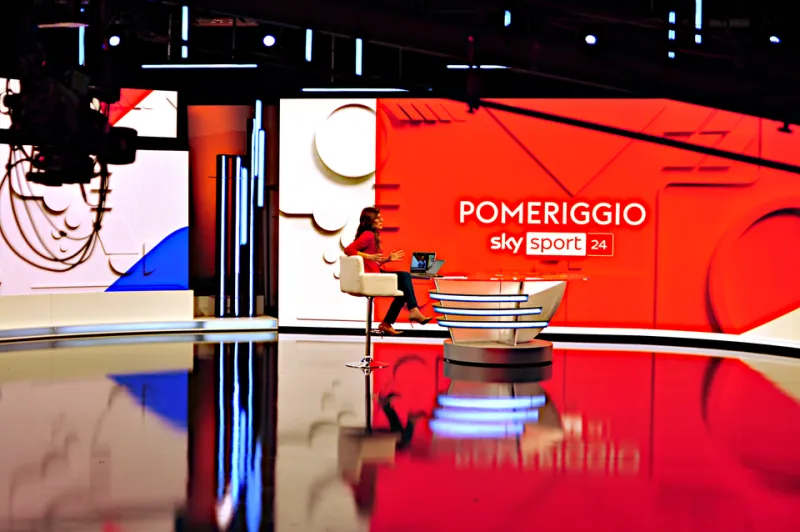
Photo: Morningfrost, CC0, via Wikimedia Commons
A video wall tender often arrives as a panel price with a brightness figure and a warranty period. That is a useful starting point, but it is not the cost of the project. In a UK lobby, retail concourse or public-facing briefing area, the display must survive daylight, static content, service access constraints and the building's out-of-hours regime. The cheapest panel can hide lift access, downtime and calibration costs that trade buyers need to price into the tender.
The quotation is not the cost
A UK trade buyer should treat the panel price as the start of the cost conversation, not the end. Total cost of ownership includes the access route, the mounting structure, power and heat, calibration, spare parts, warranty exclusions and the labour required to replace a module or panel. In a busy reception, downtime has a reputational cost as well as a maintenance cost.
LCD video walls and fine-pitch LED are often compared as if they were interchangeable. They are not. LCD walls use tiled panels with physical bezels. Fine-pitch LED uses modules that create a seamless image but have a visible pixel structure at close viewing distances. The right choice depends on content, ambient light and the practicalities of maintenance.
Ambient light: specify in measurable terms
UK lobbies are rarely consistent. A glazed atrium can be bright at midday and dim on a winter afternoon. A retail space may have high ambient light and direct reflections. A briefing area may be controllable but still suffer from ceiling glare. The tender should specify the measured light level at the screen face, not adjectives such as bright or dim.
LCD panels can offer high peak brightness, but reflective surfaces and bezels can undermine the image in a glass-heavy reception. Fine-pitch LED can deliver high brightness and strong contrast, but it also produces heat and may need more power and ventilation. The buyer should compare nits and contrast under site conditions, with the intended content, rather than relying on a showroom demonstration.
Bezel visibility and content design
Bezels are not just a cosmetic issue. If a logo, chart or line of text crosses a tile boundary, the seam becomes part of the message. LCD walls can work well when content is designed around the seams, but that requires discipline from the content owner. Fine-pitch LED removes the seam, but pixel pitch must be matched to viewing distance. A seamless image with visible pixels at two metres is not a better outcome than a well-designed LCD wall.
For UK public-facing spaces, the content is often text-heavy: wayfinding, public information, tenant directories or briefing slides. The tender should include a content review, not just a hardware review. Ask for a mock-up with realistic material and view it from the closest and furthest operator positions.
Image retention, duty cycle and calibration
LCD panels can retain static images, particularly where logos, menus or dashboards sit in the same position for long periods. Warranty terms may exclude image retention, which turns a predictable failure mode into an unbudgeted cost. Fine-pitch LED avoids that specific issue, but module calibration drift and replacement calibration still need to be planned.
Calibration is a recurring cost, not a one-off commissioning task. LCD walls need brightness and colour matching across tiles. LED walls need calibration after module replacement and may need periodic checks. The tender should state who calibrates, how often and at what cost.
Service access and the building route
The maintenance trap is often physical. A large LCD panel may need rear access, but the reception wall may be back-to-back with a tenant space. A front-service design may solve that, but it must be confirmed. Fine-pitch LED modules are often front-serviceable, but the number of modules and the spare-parts strategy still matter.
The access route deserves its own survey: lift dimensions, door widths, corridor turns, floor loading, stairwells and out-of-hours access. A panel that fits the wall but not the lift is a project delay. In retail and office buildings, service access may be restricted to evenings or weekends, which changes labour costs. The tender should include an access plan, not an assumption.
Warranty terms: read the exclusions
A warranty is not a maintenance contract. LCD warranties may exclude image retention, bright pixels or labour. LED warranties may require specific spares, calibration or approved service partners. Response times and lift access are often excluded. For UK trade buyers, the exclusions are as important as the duration.
The tender should ask for spare modules or panels, a response-time commitment, calibration after replacement and remote monitoring where available. It should also confirm who covers access equipment and out-of-hours labour.
A total-cost checklist for UK tenders
Measure ambient light at the screen face. Compare nits and contrast under site conditions. Check bezel visibility with realistic content. Confirm the service access strategy and the lift route. Price calibration and re-calibration. Read the warranty exclusions for image retention, labour and access. Include spare parts and a response-time service level. Account for power, heat and ventilation. Plan out-of-hours access. Include operator training and as-built documentation.
The cheapest panel price is only one line in the tender. The real question is which display technology can be accessed, maintained and calibrated over its service life in a UK building. Buyers who price the maintenance trap at tender stage are less likely to discover it at handover.