Specification Is Not Capability: Validating Camera Analytics on UK Sites in 2026
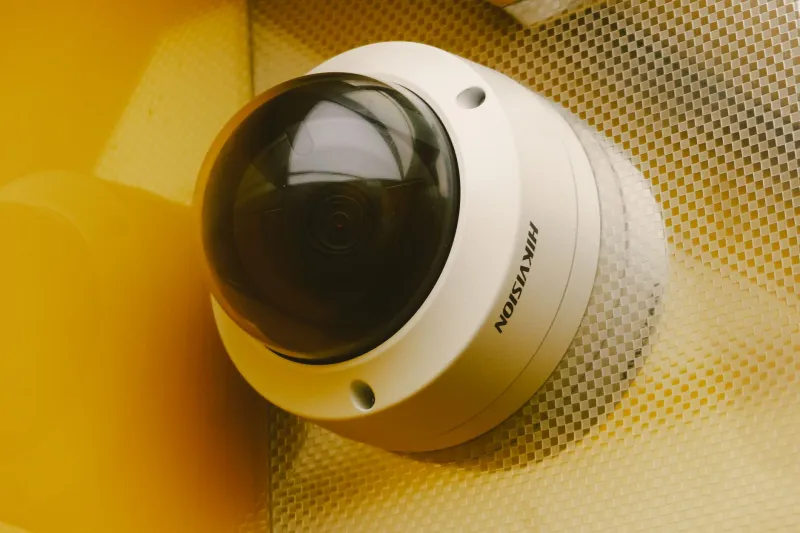
Camera datasheets in 2026 are crowded with compute figures, neural processing labels and broad claims about artificial intelligence. For the UK trade buyer, the useful question is narrower: what will the camera or analytics platform actually do on the site in question, under the lighting, weather, network and operating conditions that will exist after handover? Specification is not capability. A device can carry an NPU, a TOPS rating and a long list of supported events without delivering dependable results in a loading bay, a retail entrance or a perimeter lane.
The practical response is disciplined verification. Analytics should be treated as an operational system component, not a tick-box feature on a quotation. That means matching processing location to the decision being made, testing against agreed scenarios, and writing acceptance criteria that survive firmware updates and staff changes.
Why TOPS and NPU figures tell you very little
TOPS is a measure of theoretical compute throughput. It does not state which models run on the device, how they were trained, what resolution they analyse, how many streams can be processed concurrently, or how accuracy changes at night. An NPU indicates that hardware acceleration is present; it does not confirm that the analytics are tuned for the scene, that events are exposed cleanly to the video management system, or that the manufacturer will maintain the model through the product lifecycle.
The phrase deep learning is similarly broad. It may refer to person detection, vehicle classification, facial analysis, metadata extraction or a combination. UK buyers should ask for the specific event types, the minimum object size in pixels, the supported frame rate, the maximum number of analytics channels, and the conditions under which performance is claimed. These details belong in the technical submittal, not only in a sales presentation.
Edge or server? Match processing to the decision
Edge analytics run on the camera or a nearby device. They can reduce bandwidth, provide low-latency alarms and keep some processing local. Their weakness is flexibility: the model is usually fixed by the manufacturer, tuning may be limited to simple rules, and performance can vary across firmware releases. Edge analytics are often suitable for straightforward perimeter intrusion, basic loitering rules or single-door people counting where the scene is stable and the alarm is reviewed by an operator.
Server-based analytics centralise processing and can apply more complex rules across multiple cameras. They are easier to update, audit and integrate with access control or business systems, but they increase network load, compute cost and licensing complexity. For UK sites with mixed camera estates, a hybrid approach is common: edge events for immediate alarms and server-side correlation for reporting, occupancy trends or vehicle movements across a yard.
The decision should follow the operational requirement. A gatehouse needing an immediate alert when a person enters a restricted zone may be well served by edge detection. A distribution centre reconciling trailer movements across several lanes may need server-based aggregation and a clear data-retention policy. Neither approach removes the need for testing.
A practical acceptance-test checklist
Acceptance testing should be agreed before installation and performed on site with the final firmware, lens, mounting height and VMS configuration. Use a written test script with pass and fail criteria. Where possible, compare analytics events against a human observer or reference count.
- Define the scene: camera position, lens, field of view, lighting schedule, zones, exclusion areas and privacy masks.
- Test across conditions: daylight, low sun, dusk, artificial light, rain, fog and headlights where relevant.
- Measure detection rate and false-alarm rate separately; a system that catches every event but generates excessive noise will be disabled by operators.
- Check event latency from trigger to VMS alarm and confirm time synchronisation across cameras and servers.
- Reboot devices and test recovery, network interruption behaviour and event buffering.
- Verify metadata, snapshots and clips are usable in the VMS and retained in line with the agreed policy.
For loitering, define the zone, dwell threshold, direction of travel and schedule. Test staff, visitors and vehicles passing nearby. For people counting, test bidirectional counts, groups, shadows, trolleys and entrances with strong backlight. For vehicle detection, test class recognition, gate lanes, headlights, trailers and plate visibility where ANPR is claimed. Each scenario should have a stated tolerance, not a vague expectation of good performance.
Contract clauses that turn a demo into a commitment
A successful demo is evidence, not a guarantee. The contract should include a performance schedule that names the analytics functions, test scenarios, acceptance criteria and remedies if the system fails. It should also address firmware updates and model changes: a camera that passes in March should not silently lose accuracy after a summer update.
Other clauses worth securing include support for the analytics licence term, access to event data and metadata, cybersecurity patching commitments, training for operators, and a clear process for tuning after occupancy or layout changes. If the manufacturer restricts analytics to a subscription, state the renewal cost and what happens if it is not renewed. For UK sites handling personal data, the data protection impact assessment and retention rules should align with what the analytics actually records.
Demo-room questions that expose the difference
Ask to see the analytics running live, on the same firmware and model that will be supplied, not a recorded clip from a different site. Request the camera height, lens and lighting conditions used in the demo. Ask how false positives are filtered, whether rules can be changed by the installer or only by the manufacturer, and how events are exposed to the VMS or an API. Confirm the maximum number of analytics channels and the effect of enabling other smart features.
Finally, ask for UK references with similar scenes and for a post-installation tuning visit. A supplier that can answer these questions clearly is more likely to deliver a system that remains useful after the handover meeting. In 2026, the label on the box is only the beginning; the evidence on site is what matters.